
Role
Designer, researcher, and team member on a six person team.
Timeline
Semester long project.
Skills
User research, wire-framing & high-fidelity prototyping, team collaboration, & visual design & animation.
The Overview
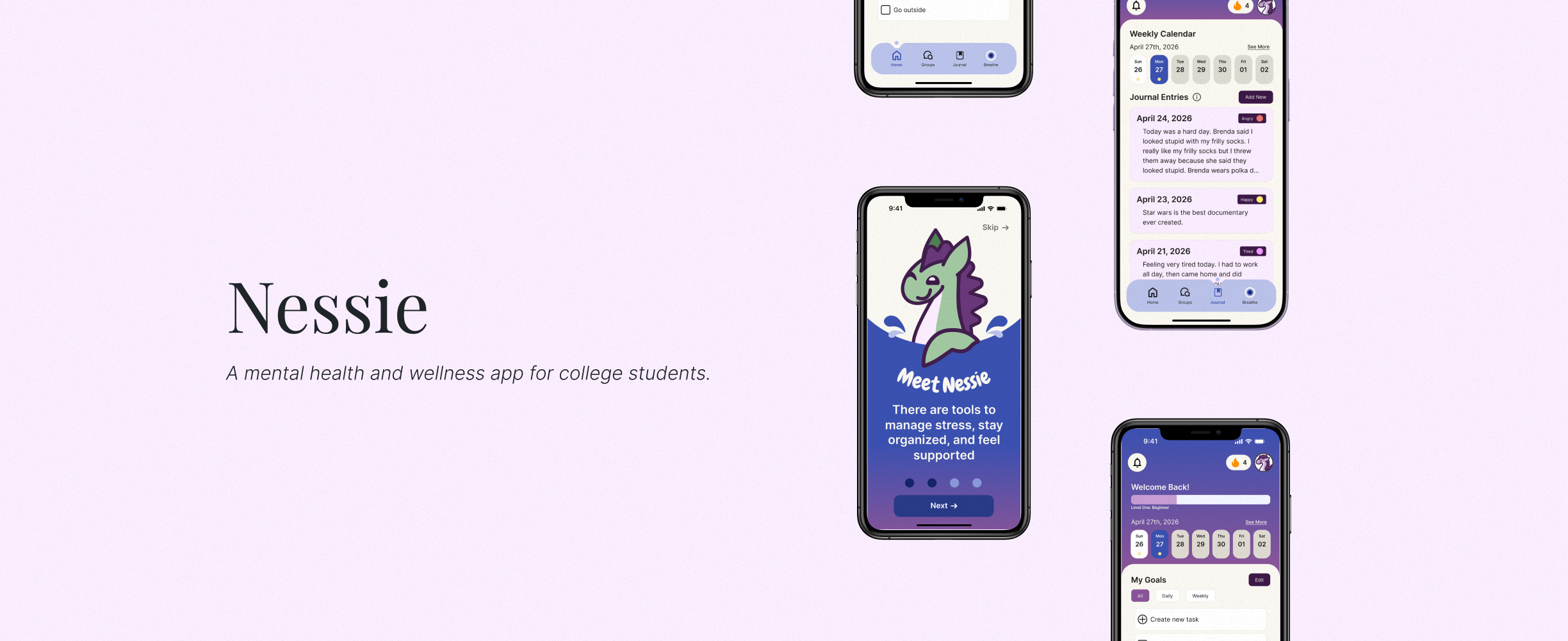
We created a mental health and wellness app for college students tailored for students who get it done.
Nessie is a mental health and wellness app created by college students, for college students. Our goal was to eliminate common barriers found in many mental health apps, such as paywalls, lengthy and time-consuming tasks, and a lack of personalization. We wanted to create a platform that felt accessible and realistic for students balancing busy schedules, financial stress, and emotional wellbeing.
The Problem
How might we create a mental health app for college students that helps them reach their personal goals while also supporting their mental health and overall wellbeing?
The Target Users
College Students
Recent college graduates
We conducted a competitive analysis of leading mental health apps, user interviews and guerilla interviews with college students and recent graduates, and a literature review involving mental health apps and gamification, effectiveness, and privacy policies.
The Research
Goals
Identify what college students struggle with the most.
Identify how college students cope with strains on their mental health.
Find the most used features in competitor apps.
Recognize and practice caution against unsafe practices in handling mental health apps privacy and gamification.
Results
College students struggled to stay consistent when using other apps such as Finch, Betterhelp, and other journaling apps.
Many students mentioned using Google Calendar and how it had improved their mental health and stress levels.
Students preferred mental health management techniques such as journaling and engaging with communities.
The Findings
Existing apps were often time-consuming or “pushy” and lacked necessary personalization.
Students were more focused on setting goals on apps and feeling rewarded than learning new skills and having long, reflective experiences.
Students mentioned coping skills such as journaling and socializing and said they would like for a feature to allow them to quickly reflect through journaling and anonymously connect with others facing similar struggles.
Persona Creation
Faye Pearl: a persona created from market research and user interviews.

Name: Faye Pearl
Age: 22 years old
Occupation: Full-time college student and waitress at Red Lobster.
Goals: Wants to relieve stress and manage her time more efficiently.
Struggles: Is often overwhelmed and constantly busy, leaving little time for planning and reflecting.
Aspirations: Wants to graduate college, start saving up to pay off her loans, become more organized, and reflect on her triggers to learn how to cope and manage stress.
Scenario: Faye wakes up early for class, rushes to get ready, and makes herself breakfast. Her commute to class takes 30 minutes, and during that time, she tries to think of everything she has to get done that day. She keeps a checklist in the Notes app on her phone, but doesn’t always remember to check it. When Faye arrives on campus, she struggles to find parking so she won’t be late. Her classes run from 8 a.m. to 2 p.m., and she has work at 3 p.m. During class, she attempts to juggle paying attention to the lecture while adding new assignments to her checklist and getting a head start on her homework.
Immediately after class, Faye goes to work as a server at Red Lobster. She has a very busy day and ends up in conflict with both a coworker and a customer. In the middle of her shift, she has a panic attack in the bathroom and forces herself through the rest of her shift, but her service is noticeably different. She ends the day unsatisfied and upset. Her goal was to make $200, but she only made $60, which means she will not be able to make rent for the month, due the next day.
Faye returns home around 1 a.m. and checks her to‑do list. She realizes she didn’t get the reminder she set for an assignment due date while she was at work and missed the submission time. She goes to bed wishing she had someone to vent to about her day. Instead, she journals for a few minutes but is too exhausted to write everything out.
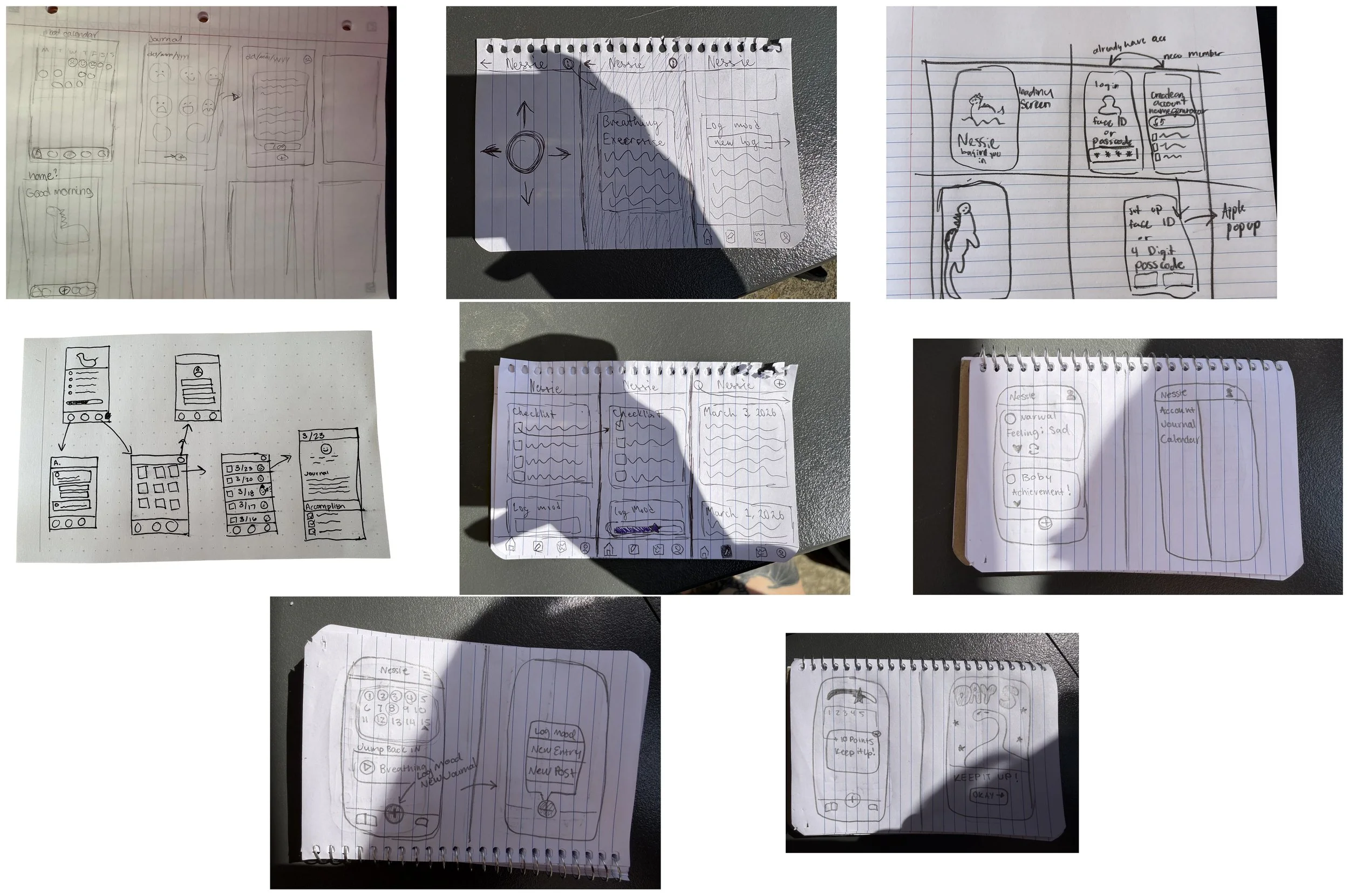
As a team, it was most important for us to all be on the same page in terms of features and initial goals prior to user testing. From our initial user interviews we conducted a team meeting and did a Figure 8’s exercise to quickly iterate on ideas prior to digital wireframing. After the timer ran out for the activity we all presented and explained our ideas, then we voted and had discussion on what ideas we would move forward with.
Once we had decided on the general functionalities and flow we divided our work into separate pairings and began our digital wireframing.
Wireframing & Ideation
Paper Prototypes
In this activity we proposed our personal interpretations of our research, brainstormed solutions to potential user struggles, and found common ground on important features and elements to include in the next sprint.
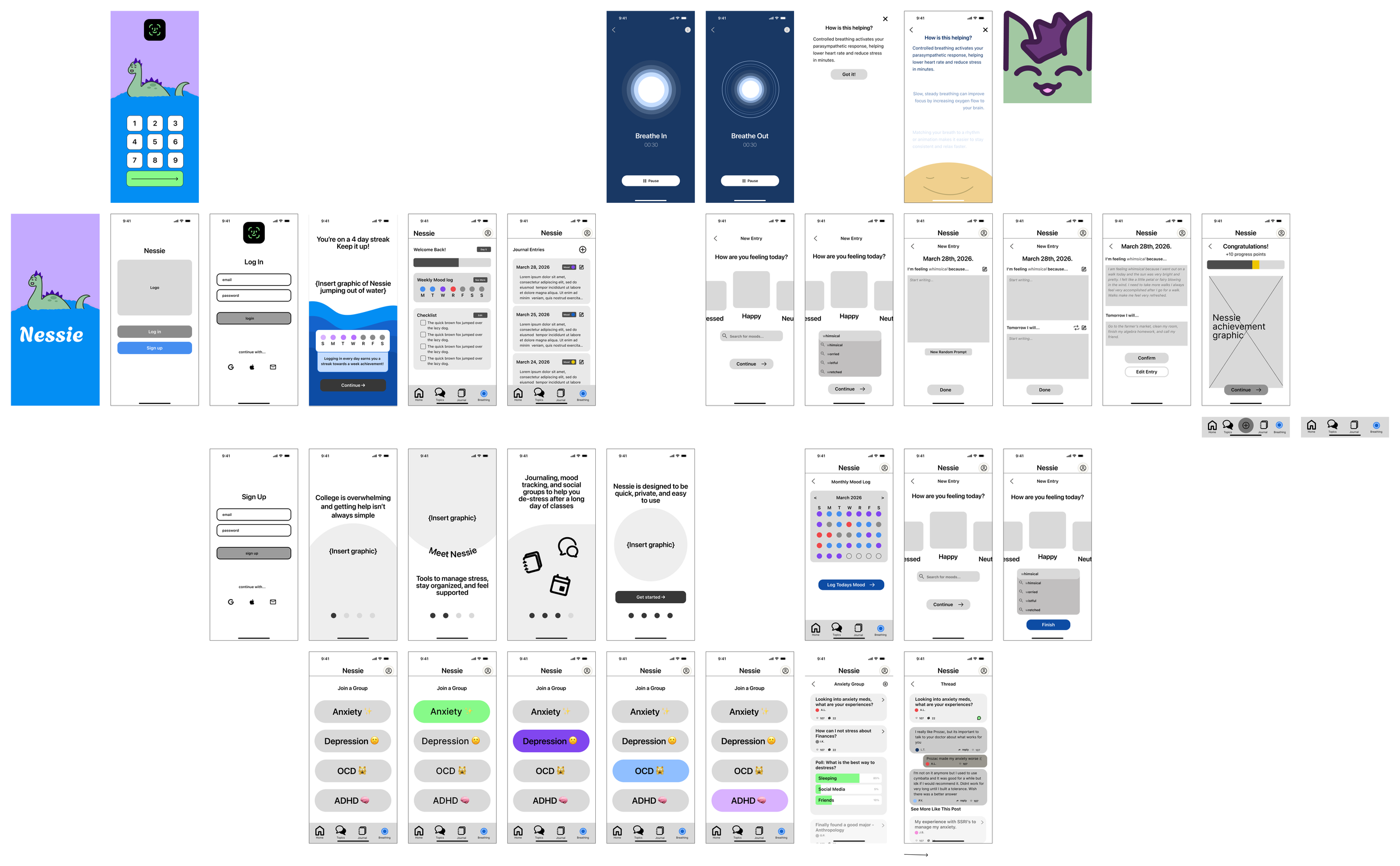
Digital Wireframes
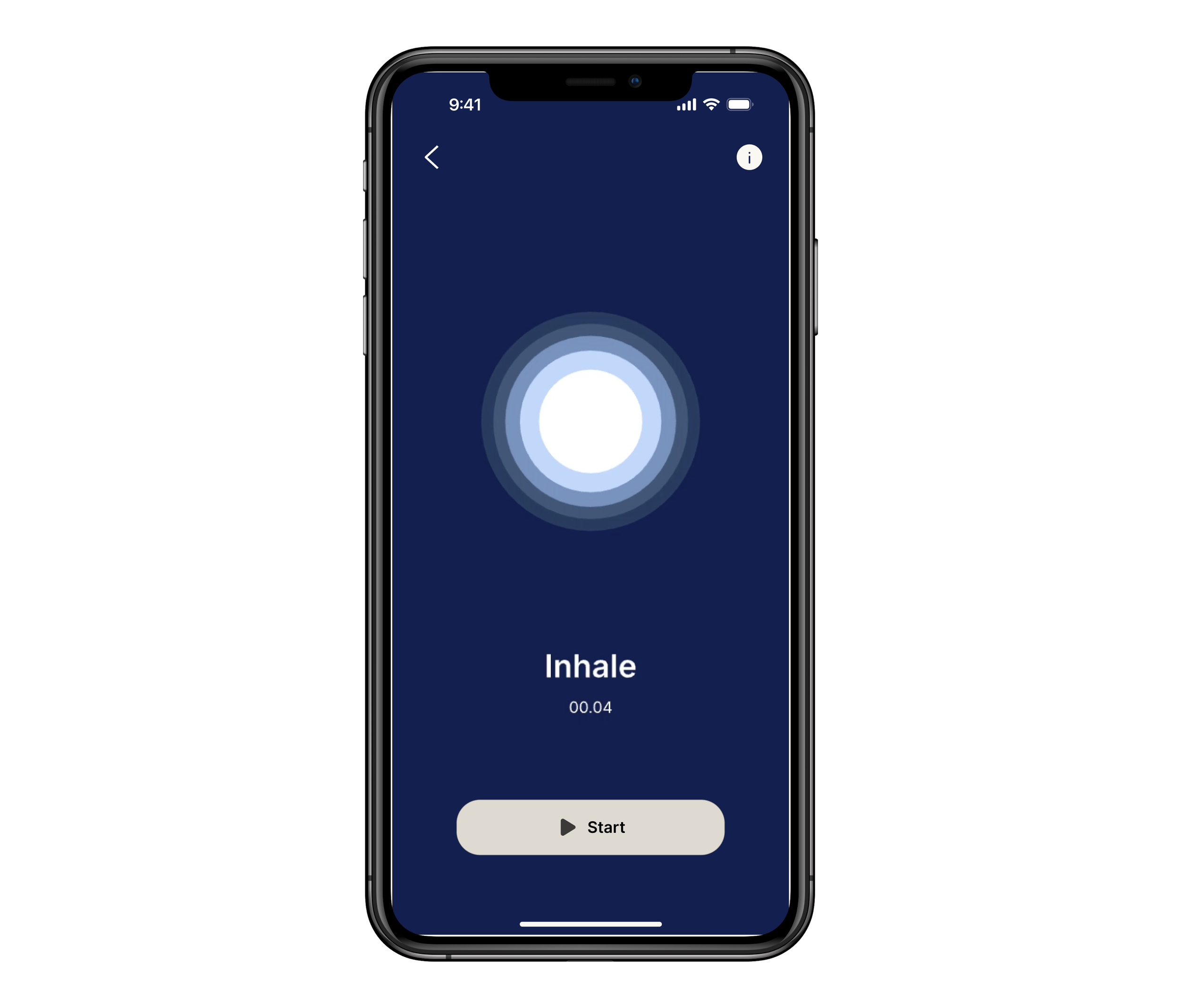
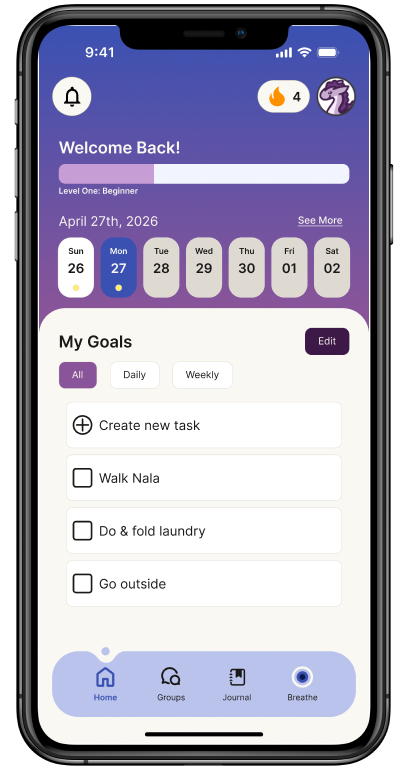
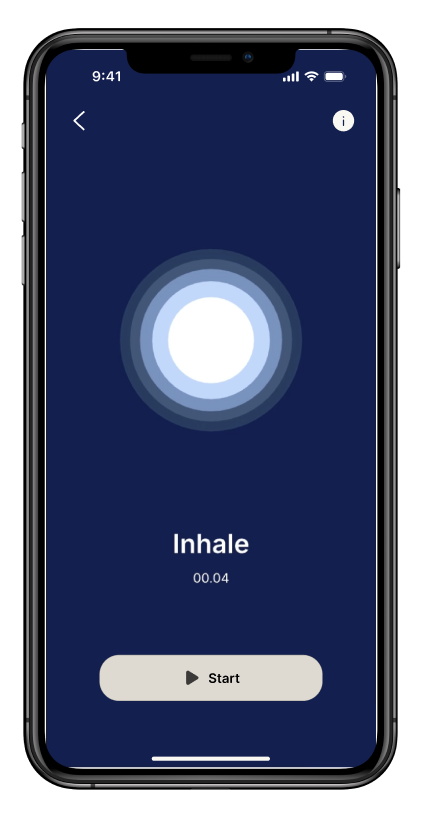
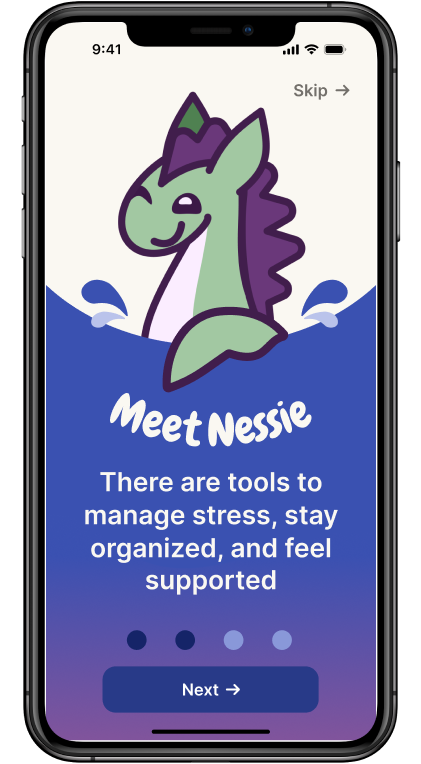
In this sprint we established our core functionalities, began integrating our color scheme and characters, and solidified some basic elements such as the breathing exercise and onboarding.
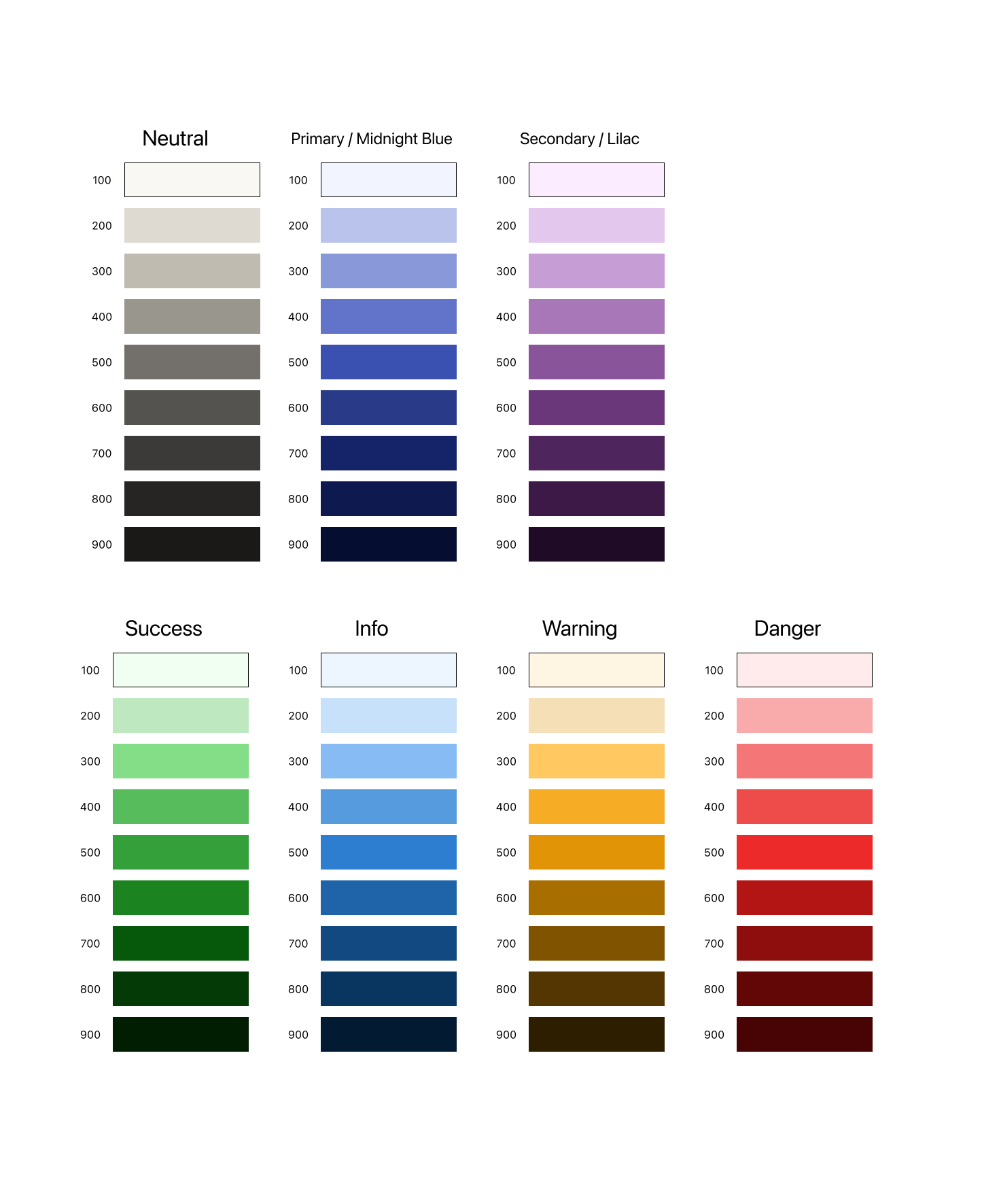
For our color palette we went with the initial purple used for Nessie’s design but also included a soothing blue for our secondary color. During user interviews our participants mentioned blue as a calming color they would like to see as they use the app. Purple is often associated with relaxation, sleep, and serenity: further aiding the calm ambience of the Nessie app.
Style Guide & Branding
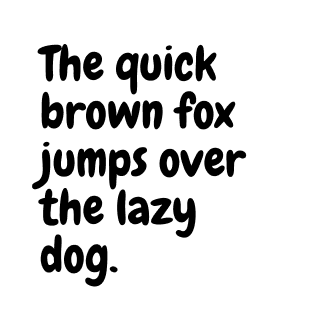
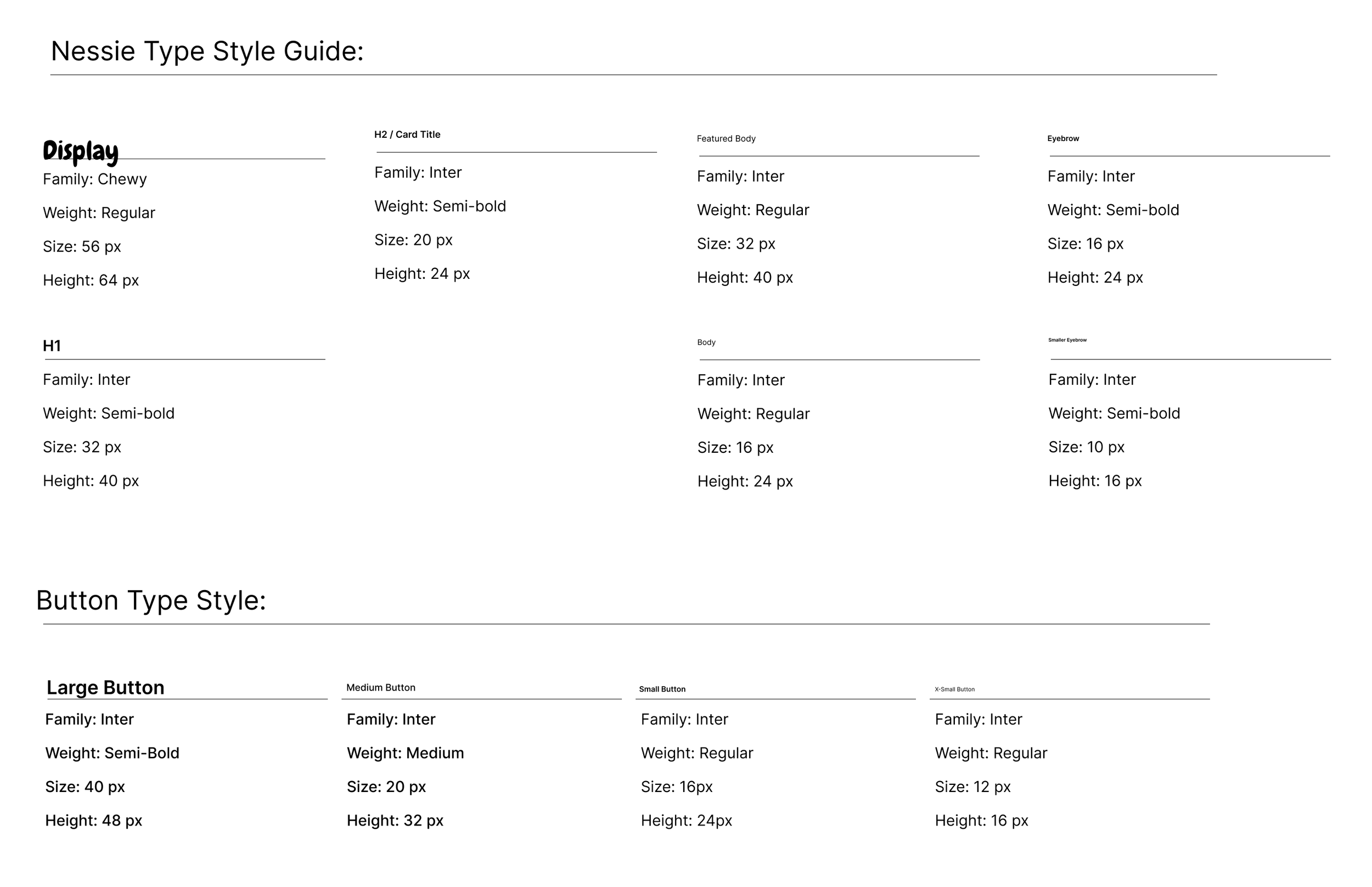
Display/Title: Chewy
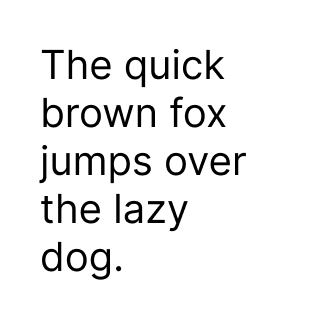
Body/Primary: Inter
Color Palettes
Typography Style Guide
The Final Prototype
A mental health and wellness app designed for college students: Nessie.
Reflections
Crossing T’s and dotting I’s.
This project taught me a lot about time management, team collaboration, and the design process. I was fortunate to work with a supportive and talented team. We met weekly to share ideas and agreed early on which sections each member would focus on. I led conceptualization and organization while assisting with prototyping and animations during iterations.
This project taught me:
Read your literature: In a field as sensitive as mental health and well-being, it was crucial we read up on our facts before taking on the challenge. Field studies and competitive analysis helped us identify mistakes early on and prevent possible negligence.
Take a step back: It’s easy to get caught up in the tiny details of a prototype interaction or the radius on a card, and even harder when you’re making the guidelines on the details from scratch. It was important for us as a team to take a step back and look at how everything fit together when making decisions.
Keep it lighthearted when possible: One of my favorite parts of this project was building the Nessie brand and character! Playing off of the character’s colors and integrating it into our app and final presentation booth made everything come together in such a fun and beautiful way.
Document everything: Documenting our entire process saved us so many times during this project. Looking back at our initial notes and ideas from meetings, research, and interviews completely shaped our prototyping process.