
Role
Team Leader, researcher, and designer on a five person team.
Timeline
Semester long project.
Skills
User research, wire-framing & high-fidelity prototyping, team collaboration & management, & visual design.
The Overview
We created a landing page to educate potential clients on Codexo’s pool based CRM software.
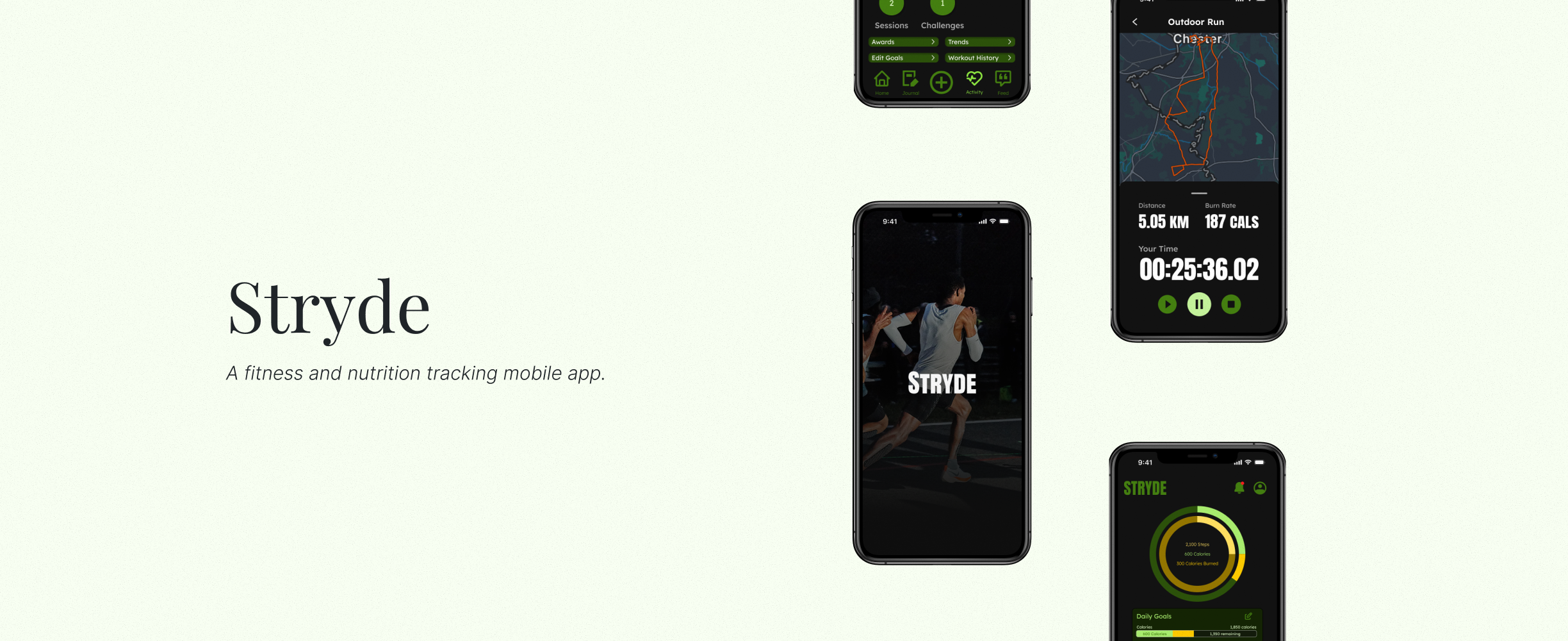
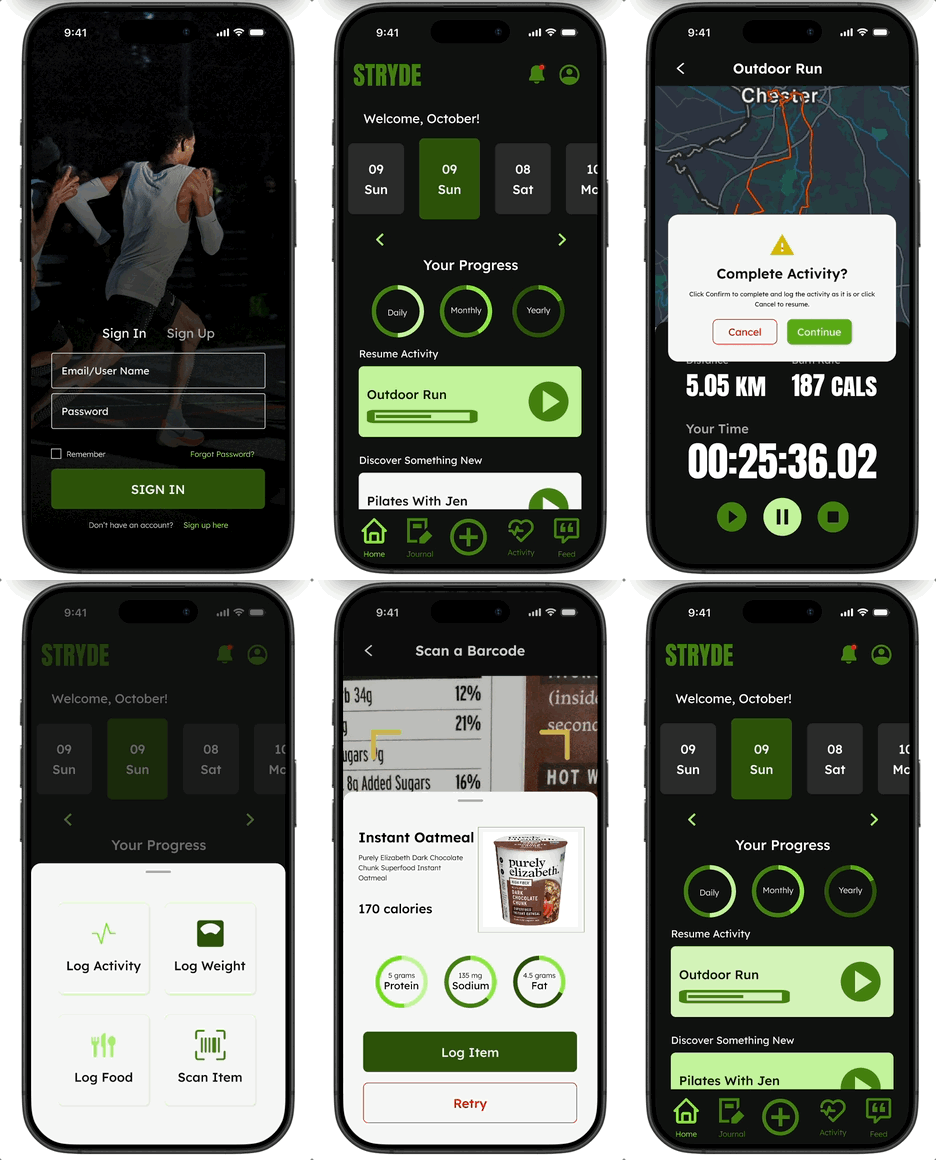
Stryde is a fitness and wellness app designed to support users across a wide range of ages, goals, and experience levels. Over the course of a semester-long project in my Interaction Design class, I led a team through the full design process, from research to prototyping. Motivated by my own experience using fitness apps, I identified recurring issues such as restrictive paywalls, fragmented features across multiple platforms, and a lack of clear, accessible information. This project focused on combining the most valuable features into one cohesive experience while prioritizing usability and inclusivity.
The Problem
How might we design an inclusive fitness app that brings together essential features in one intuitive experience while remaining accessible to users of all ages and fitness levels?
The Target Users
Individuals of all ages interested in fitness and wellness
Users who want to track workouts, nutrition, and progress in one place
Both highly motivated users and those who struggle with consistency
We conducted a competitive analysis of leading fitness apps, user interviews across diverse age groups and activity levels, and market research on fitness trends, wearables, and user behavior.
The Research
Goals
Identify the most valuable and engaging features across existing fitness apps.
Understand common user frustrations and barriers to long-term engagement.
Explore user motivations, habits, and definitions of success in fitness.
Results
Users consistently prioritized three primary goals: weight loss, muscle gain, and consistency.
All participants reported using wearable devices such as Apple Watch or Fitbit, showing the importance of integration.
Some users preferred community-based accountability, while others favored independent goal tracking and achievement systems.
The Findings
Existing apps were overly complex, required excessive manual input, and created a fragmented experience across multiple platforms.
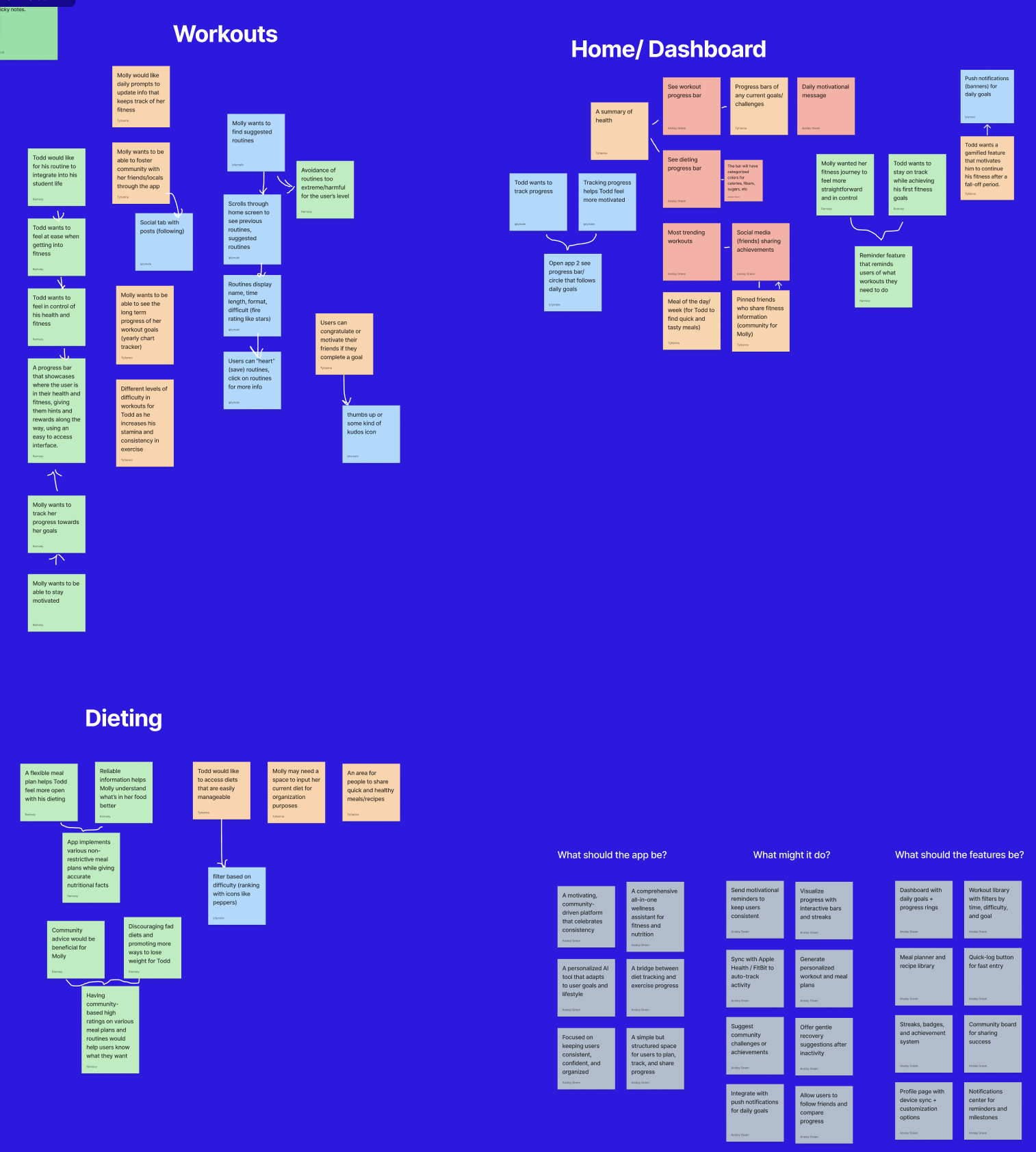
We identified opportunities to simplify data entry and reduce cognitive load through automation and smart defaults on entries that required calculations such as calories, measurements, and macros.
Opportunities include incorporating gamification and supporting both social and independent motivation styles through flexible features which supported the low and high motivated user types.
Persona Creation
We created two distinct user types based on our interviews: a highly motivated, consistent user focused on maintaining progress, and a low-motivation user aiming to adopt new healthy habits and routines.

Name: Motivated Molly
Age: 24 years old
Occupation: Teacher in Kennesaw, Georgia.
Goals: Easily sync her fitness watch to her app and see measurable progress in her achievements.
Struggles: Has a hard time picking up new additions to her routine with her busy work-life schedule. She often does not have the extra time to dedicate to lengthy app processes and learning new technology.
Aspirations: Wants to continue to build upon her current fitness routine and habits.
Scenario: Meet Molly, a 22-year-old teacher living in Kennesaw, Georgia. She is married and manages a busy lifestyle while caring for two children under the age of 10. Between teaching, parenting, and daily responsibilities, she is determined to maintain her fitness journey in a way that is structured, efficient, and easy to manage.
Despite her packed schedule, Molly is dedicated, passionate, and enjoys a challenge. She wants a straightforward way to stay active, track her progress, and manage her workouts without adding extra stress to her day. She values apps that provide reliable information, community support, and clear visibility into her progress toward her goals, helping her stay consistent and motivated as she continues to build her understanding of health and fitness.
“If I can have my fitness remain consistent and efficient through a reliable, straightforward, and seamless app, I can stay motivated while further building my progress in health and fitness. Remaining vigilant with a good crutch is what I’ll need, especially when I’m taking my children to preschool and then having to prepare lesson plans for my students the next minute.”
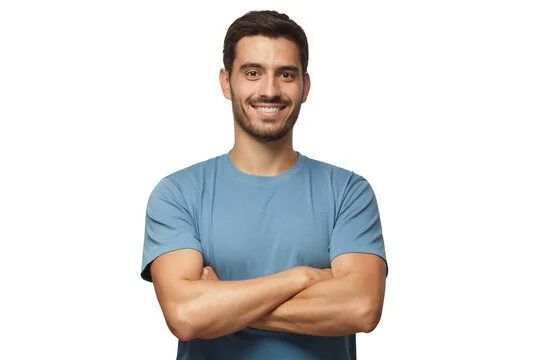
Name: Trying Todd
Age: 20 years old
Occupation: Part-time employee at Buckle, full-time student at KSU.
Goals: Celebrate small wins and track his diet while receiving healthy additions without following a fad or online diet trend.
Struggles: Has a hard time dedicating the time to fitness/dieting outside of a busy work and school schedule. He often loses interest when apps require him to jump through barriers to track information.
Aspirations: Wants to feel in control of his health without sacrificing time towards his work and school life.
Scenario: Meet Todd, he’s a single 20 year old full-time student with a lot of grit. Juggling between balancing classes, homework, and work shifts at the Town Center Mall in a fast-paced lifestyle, he’s looking to get into fitness while building a routine that fits his vigorous life. Being a little intimidated by all of the fad diets, and extreme workout routines, Todd’s main goal is to ease into fitness and health by taking things one step at a time. Easily tracking calories and meals without following a strict diet, feeling in control of health and fitness, while also having an easy to access app that celebrates small wins and supports communities would definitely help him get on track with achieving his first fitness goals while helping him ease into fitness without sacrificing his busy lifestyle.
”I want to get into fitness but things can seem a little hard to get into. That’s why when I do get into it, I wanna feel rewarded while gradually learning my way through fitness while I integrate it into my busy lifestyle. I want to feel in control while also not having to worry about what I eat too much, especially when I already have so much on my plate with school and work. But just as I’m working towards this degree and the next check, I’m going to start working towards improving upon my health through fitness!”
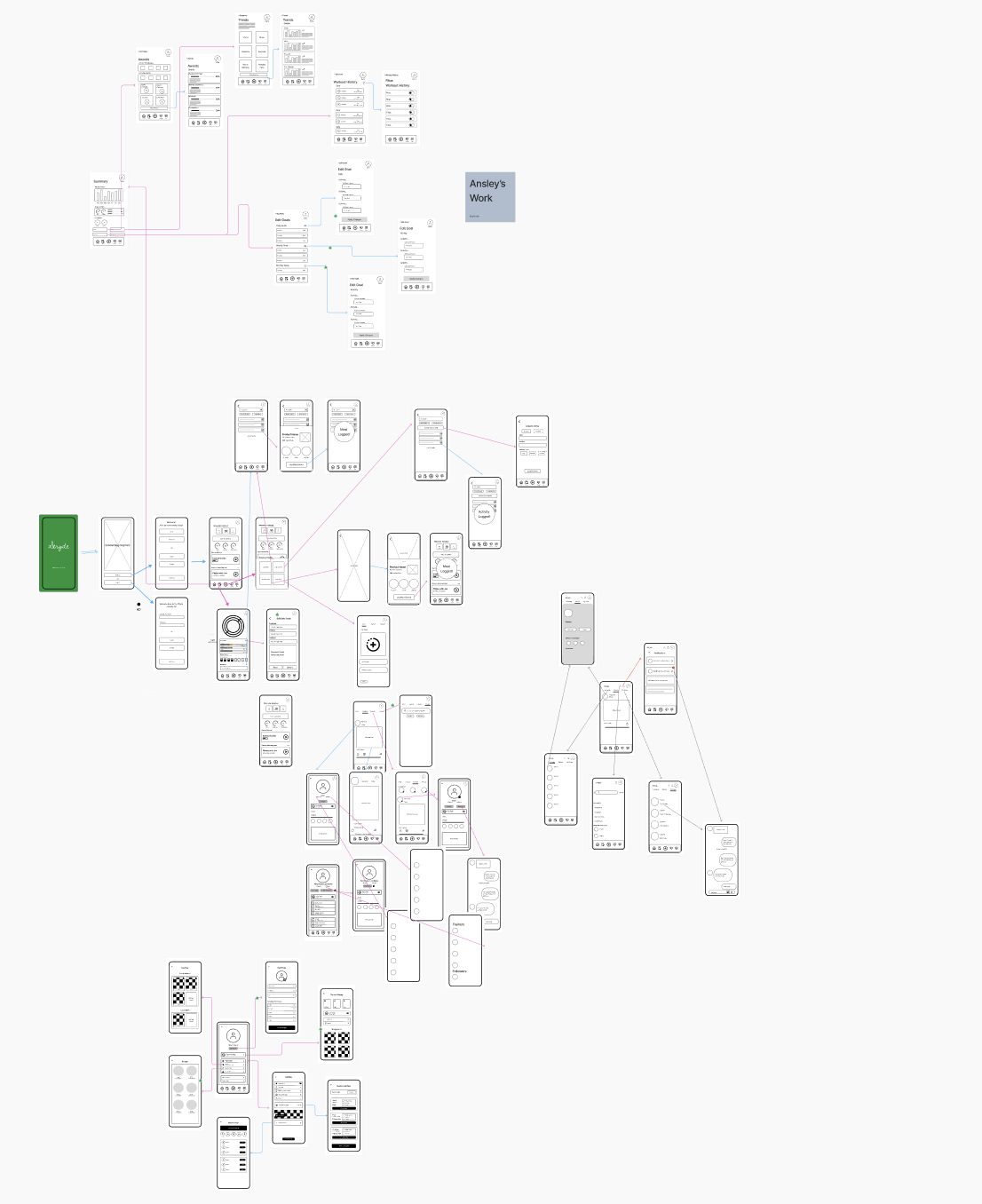
As a team, it was important for us to contribute to areas of the app we were most excited about. To begin ideation, we explored potential features our users would want and how those features would interact with one another. We then separated the fitness and nutrition sides of the app, and after aligning on how features mapped together, each team member focused on the section they wanted to highlight most.
As team leader, I took ownership of the home page to establish foundational components—such as the header, logo, and tab bar—that the rest of the team could build from.
Wireframing & Ideation
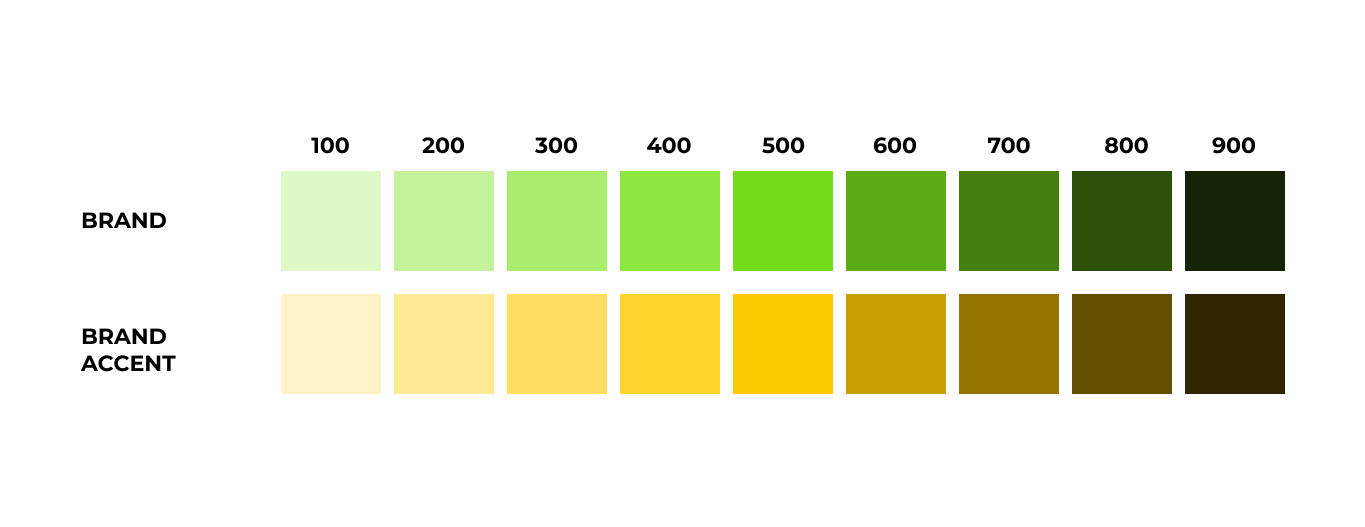
We used Coolors.io to develop a cohesive color palette, selecting green and yellow to create a fresh, energetic, and health-focused aesthetic. These colors are strongly associated with wellness and nutrition.
They also provided effective contrast within a dark mode interface, which users preferred because it felt less harsh and more comfortable for frequent use.
Style Guide & Branding
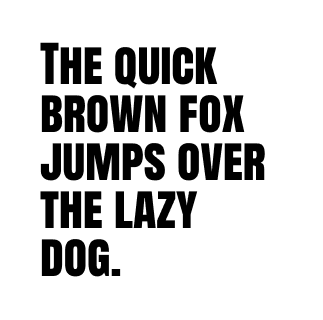
Display/Title: Anton SC
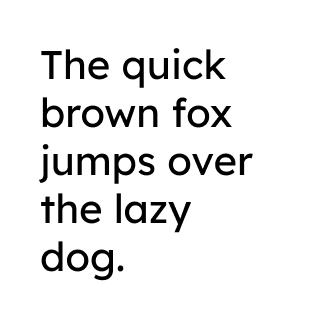
Body/Primary: Lexend
Brand Color Palettes
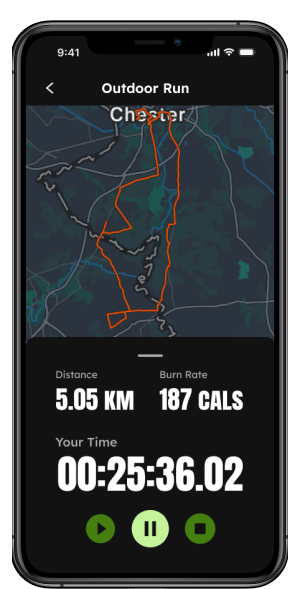
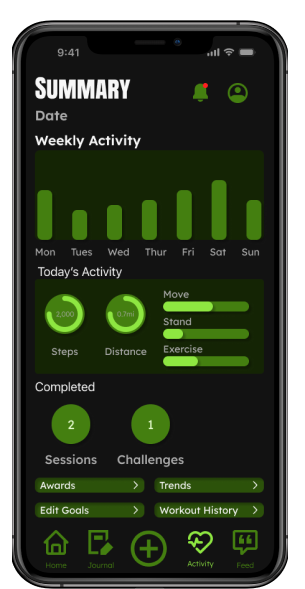
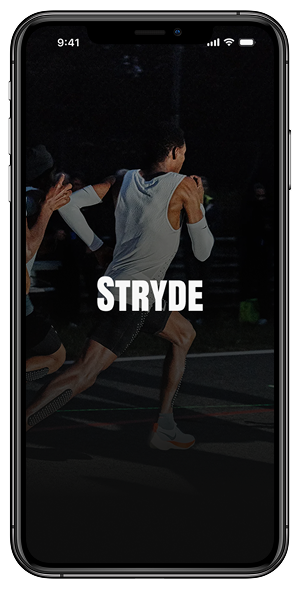
The Final Prototype
A fitness and health app designed for every ability level: Stryde.
Reflections
Collaboration and consistency is key.
This project taught me a lot about time management, team collaboration, and the design process. I was fortunate to work with a supportive and talented team. We met weekly to share ideas and agreed early on which sections each member would focus on. I led conceptualization and organization while assisting with prototyping and animations during iterations.
This project taught me:
Listen to your users: My own fitness app preferences created bias. User interviews revealed new ideas like community features and coaching, showing that personal assumptions do not always align with user needs.
Style guides matter: Aligning five team members on colors, fonts, and logos took two weeks, but having a style guide made prototyping more cohesive and efficient.
The process is worth it: Balancing research, iterations, and meetings with a full course load, part-time job, and internship was challenging. Completing a fully functioning prototype that met all project goals was extremely rewarding.
Real leadership is listening: Our best ideas emerged when team members led initiatives I hadn’t considered. By listening and collaborating, we created stronger outcomes together.